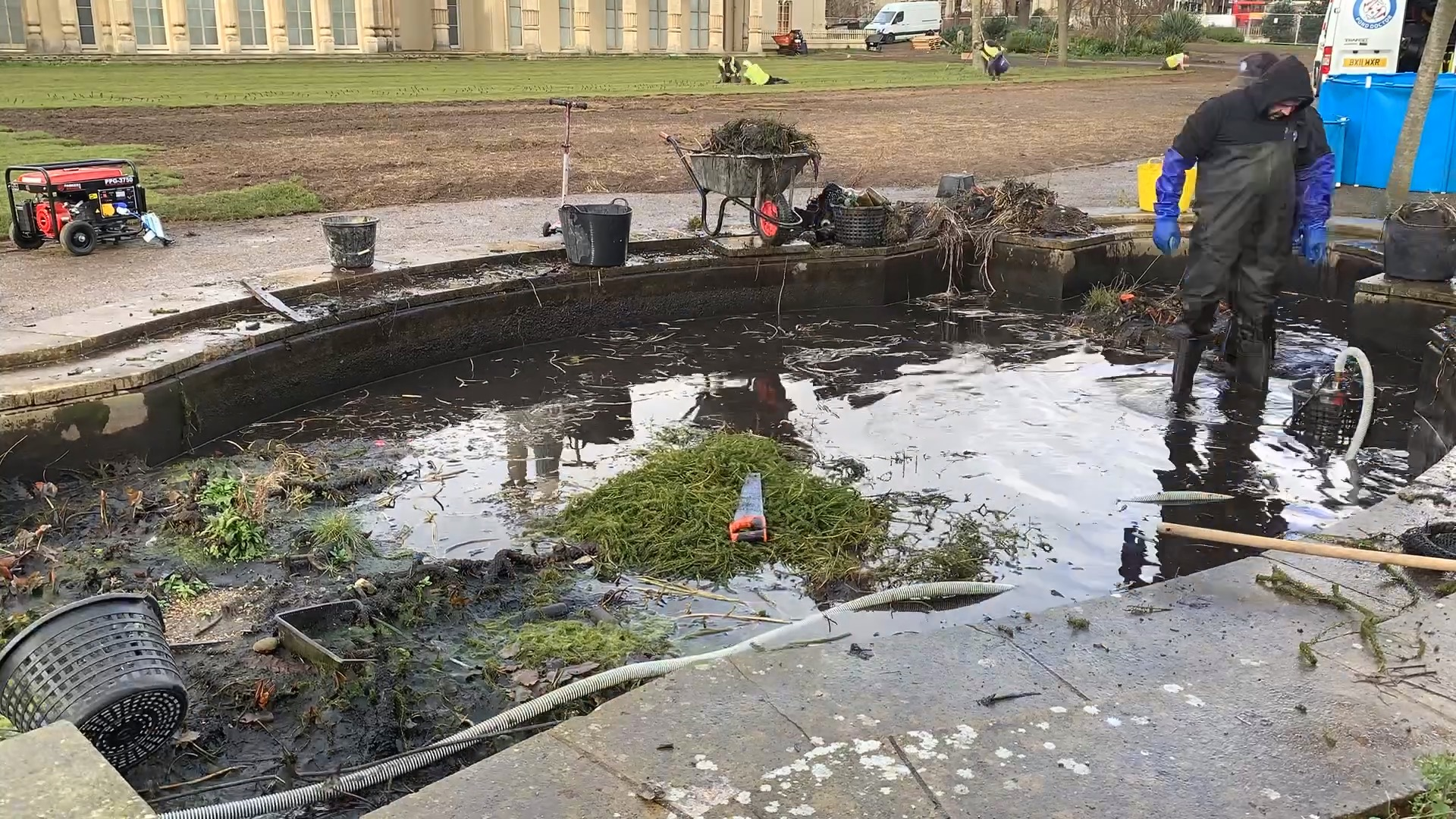
A well-maintained pond can be one of the most attractive features in any Sussex garden. Whether it’s a wildlife pond, ornamental water feature, or koi pond, clean water and a balanced ecosystem are essential for long-term enjoyment. This is why pond cleaning in Sussex plays such an important role in keeping ponds healthy, visually appealing, and easy to manage.
Over time, all ponds naturally collect waste. Fallen leaves, fish waste, algae, and organic debris settle on the pond floor, forming thick layers of sludge. Without regular cleaning, this buildup can lead to cloudy water, unpleasant smells, and stressed fish. Professional pond cleaning restores clarity and balance, helping your pond look and perform at its best.
Sussex’s diverse environment—from coastal areas to wooded countryside—creates unique challenges for pond owners. Wind-blown debris, seasonal leaf fall, and fluctuating temperatures all affect pond water quality. Regular pond cleaning ensures these factors don’t negatively impact your pond’s health.
Why Pond Cleaning in Sussex Is Essential
How Sussex’s Climate and Environment Affect Ponds
Sussex experiences a mix of mild coastal weather and inland seasonal changes, both of which influence pond conditions. Wind can carry dust, pollen, and leaves into ponds, while warmer months encourage algae growth.
Environmental factors that impact ponds include:
- Increased algae growth during spring and summer
- Leaf fall and organic debris in autumn
- Reduced biological activity in winter
These conditions cause waste to accumulate faster than natural processes can break it down. Without cleaning, water quality gradually declines.
Common Pond Problems Faced by Sussex Pond Owners
Many Sussex pond owners encounter similar issues when maintenance is delayed or inconsistent.
Common problems include:
- Green or cloudy water
- Thick sludge buildup at the pond bottom
- Blocked pumps and filters
- Poor water circulation and oxygen levels
These problems not only affect the appearance of the pond but can also threaten fish health and damage equipment.
What Professional Pond Cleaning in Sussex Involves
Full Pond Inspection and Assessment
Professional pond cleaning begins with a detailed inspection. This step helps identify problem areas and ensures the cleaning process is tailored to the pond’s specific needs.
During an inspection, professionals assess:
- Water clarity and condition
- Sludge depth and debris levels
- Performance of pumps, filters, and UV units
- Fish health and behavior
This careful approach ensures the cleaning process is effective while minimizing stress to fish and plants.
Sludge, Debris, and Waste Removal
Sludge is one of the biggest contributors to poor pond health. It forms as organic waste decomposes on the pond floor, releasing harmful gases and consuming oxygen.
Professional cleaning includes:
- Removing surface debris
- Vacuuming sludge from the pond bottom
- Cleaning filters, pumps, and pipework
Specialist equipment is used to remove waste safely without damaging the pond liner or disturbing beneficial bacteria more than necessary.
Benefits of Professional Pond Cleaning in Sussex
Improved Water Clarity and Appearance
One of the most immediate benefits of pond cleaning is clearer water. Removing excess waste and nutrients reduces algae growth and improves overall water quality.
Clear water:
- Enhances the pond’s visual appeal
- Makes fish easier to observe
- Creates a healthier-looking garden feature
A clean pond becomes a true focal point rather than a hidden problem.
Healthier Fish and Aquatic Life
Fish are sensitive to changes in water quality. High levels of waste and low oxygen can cause stress, illness, and even fish loss.
Professional pond cleaning helps by:
- Improving oxygen levels
- Reducing harmful toxins
- Creating stable water conditions
Healthy ponds support active fish and thriving aquatic life.
Protection of Pond Equipment
Dirty ponds place extra strain on pumps, filters, and UV systems. Debris and sludge reduce efficiency and increase wear.
Regular cleaning:
- Improves equipment performance
- Extends the lifespan of pond systems
- Reduces the risk of breakdowns
This protects your investment and lowers long-term maintenance costs.
Best Time of Year for Pond Cleaning in Sussex
Seasonal Pond Cleaning Considerations
The most common times for pond cleaning in Sussex are spring and autumn. Spring cleaning prepares the pond for warmer months, while autumn cleaning removes fallen leaves before winter.
Seasonal cleaning helps:
- Control algae growth
- Prevent winter sludge buildup
- Maintain stable water quality
Signs Your Pond Needs Immediate Attention
Some ponds need cleaning sooner than planned. Warning signs include:
- Persistent green or cloudy water
- Strong unpleasant smells
- Fish gasping at the surface
- Reduced water flow from pumps
If these signs appear, professional pond cleaning should be arranged as soon as possible.